

News & Articles
What is Residential Care?

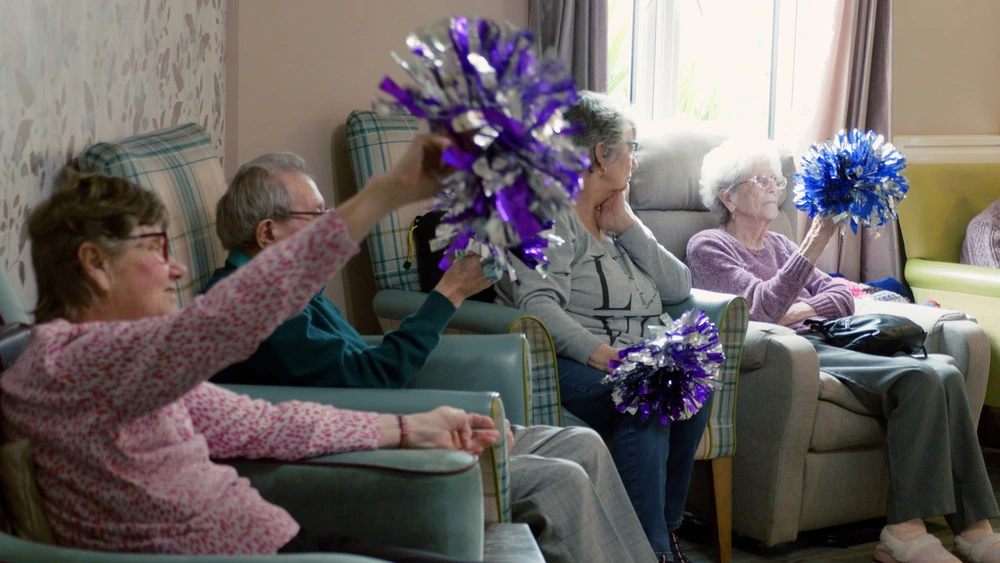
Residential care is a type of long-term support for older adults who need regular help with daily tasks but do not require round-the-clock medical or nursing care. It sits between living independently at home and nursing care, and for many people it represents the point where the support available at home is no longer enough to maintain safety and quality of life.
At Pearl Healthcare, we have been providing residential care in Lincolnshire and the Isle of Man for over 20 years. Our homes, including Sunnydale, Kimberley Care Village in Spalding, and Capricorn Cottage, are built around the principle that this is not an institution. It is a home.
What does residential care include?
Residential care covers the full range of day-to-day support a person needs to live comfortably and safely when managing at home has become too difficult.
At our homes, that includes:
- Personal care: Support with washing, dressing, and mobility, delivered with dignity and respect at a pace that suits the individual
- All meals and refreshments: Freshly prepared food with plenty of choice, dietary needs always catered for
- Medication management: Medicines administered safely and on time by trained staff, with monitoring for any changes
- Laundry and housekeeping: Rooms are kept clean and comfortable, freeing up time to enjoy the day
- Activities and companionship: From morning coffee in the lounge to organised events and outings, there is always something happening
- 24-hour support: Day and night, someone is always nearby. Residents are never alone.
What is a day actually like in residential care?
This is one of the questions families ask us most, and it is a good one. Life in a care home should not feel institutional. It should feel like home.
At Pearl Healthcare, there is no rigid schedule imposed on residents. Mornings might start with tea in your room, a cooked breakfast in the dining room, or a quiet read in the lounge. Some residents enjoy the garden in the warmer months. Others prefer company and conversation.
Afternoons vary. Activities like bingo, quizzes, arts and crafts, and visiting entertainers run regularly. Some residents enjoy a quieter afternoon watching a film or listening to music. Mealtimes are relaxed and sociable. You sit where you like, with who you like.
Evenings follow the resident's own rhythm. Supper, television, a good book. Staff help you get ready for bed when you are ready, not when a rota dictates.
"We know residents by name, know their stories, and know the little things that make a difference, whether that's how you take your tea, your favourite biscuit, or that you prefer a morning bath to an evening one." -- Pearl Healthcare
How is residential care different from nursing care?
The distinction matters and is often confused by families during what is already a stressful time.
Residential care provides personal care, daily support, meals, and companionship. Staff are trained in care but are not registered nurses. It suits people whose primary challenges are physical frailty, mobility, or the inability to manage daily tasks independently.
Nursing care adds a layer of qualified nursing input, typically for people with complex medical conditions that require clinical monitoring, wound care, catheter management, or similar.
If you are unsure which applies to your situation, speak to the person's GP or a local authority care manager. We are also happy to advise when you call us.
Who is residential care right for?
Residential care is appropriate for people who:
- Need regular support with washing, dressing, or getting around
- Would benefit from the companionship and safety of a structured environment
- Want to maintain independence but need the reassurance that help is always nearby
- Are struggling to manage at home, even with regular family or carer input
- Do not currently require nursing care but need more than domiciliary care can provide
If you are unsure, a visit often helps. You get a feel for the environment, meet the team, and can ask questions without any pressure or obligation.
Is residential care the same as a care home?
Yes. In common usage, a care home and a residential care home refer to the same thing: a facility providing personal care and support in a shared residential setting. The term "care home" covers both residential and nursing care depending on the registration of the home.
All Pearl Healthcare homes are registered and regulated by the Care Quality Commission (CQC) in England, or the relevant authority on the Isle of Man.
How do we personalise care for each resident?
Every person who moves into one of our homes receives an individual care plan, developed with them and their family before they move in. We spend time understanding their routines, preferences, health history, and what matters most to them day to day.
Care plans are not fixed documents. We review them regularly because needs evolve, and so do preferences. If something is not working, we adapt.
If your loved one has a specific condition, such as early-stage dementia, we integrate specialist support. Our dementia care team is experienced in supporting residents at every stage of cognitive decline, and many residential care residents receive elements of dementia support as part of their plan.
Making the room feel like home
Your room is yours to personalise. Bring a favourite chair, family photographs, ornaments, whatever makes the space feel familiar and comfortable. We actively encourage it. A room that feels like yours makes an enormous difference to how settled you feel.
Beyond your room, you have access to all communal areas: gardens on sunny days, the lounge, quiet reading corners, the dining room. This is your home, not somewhere you are staying temporarily.
How much does residential care cost?
Costs vary depending on your specific care needs and which of our homes you choose. Some people access local authority funding, others self-fund, and some use a combination. We accept both.
We are transparent about fees from the first conversation. When you visit or call, we will explain the costs clearly and help you understand what funding options might be available to you. You should never feel uncertain about what you are committing to financially.
What are the next steps?
The best way to decide whether residential care at Pearl Healthcare is right is to visit. We will show you around, introduce you to team members and residents, and answer every question you have.
There is no pressure to commit. Many families visit two or three times before making a decision, and that is absolutely fine. You can also speak to us about a respite stay first if you would like to experience the home before committing to a permanent placement.
Book a tour at Kimberley Care Village, our care home in Spalding, or Sunnydale Care Home in Isle of Man today.
Contact the Pearl Healthcare team or call us on 03300 272121 to arrange a visit to any of our homes.