
Palliative Care
Comfort, dignity, and compassion when it matters most
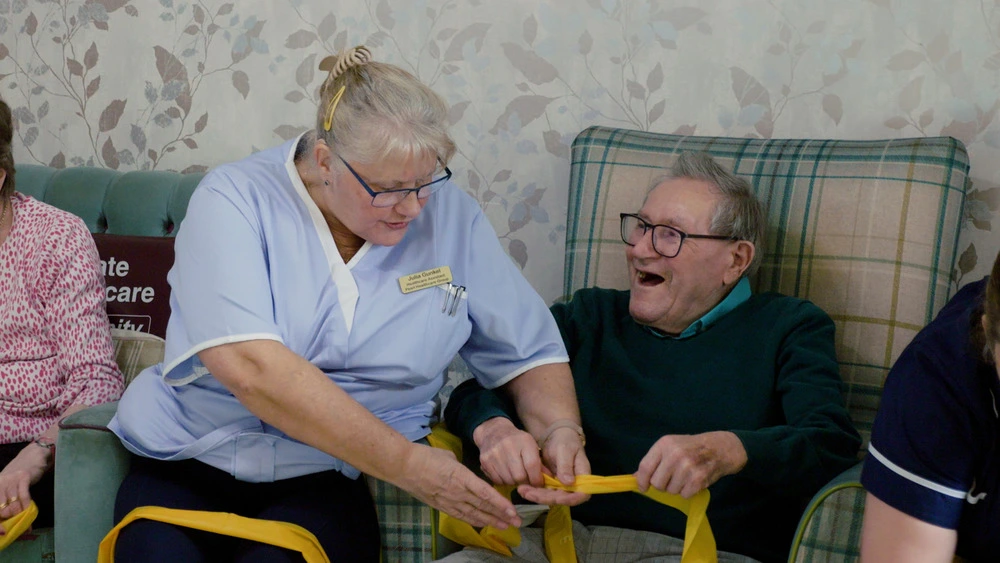
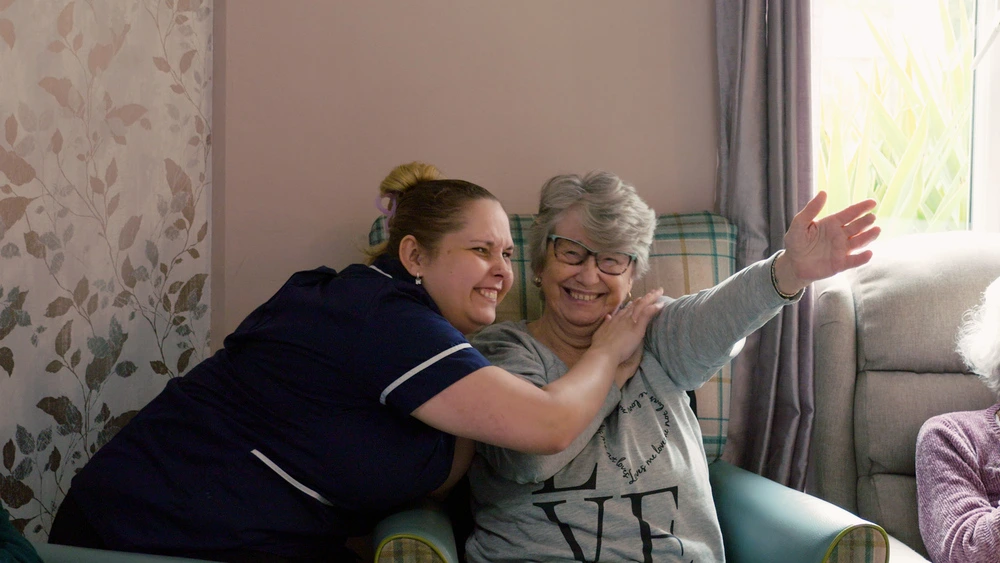
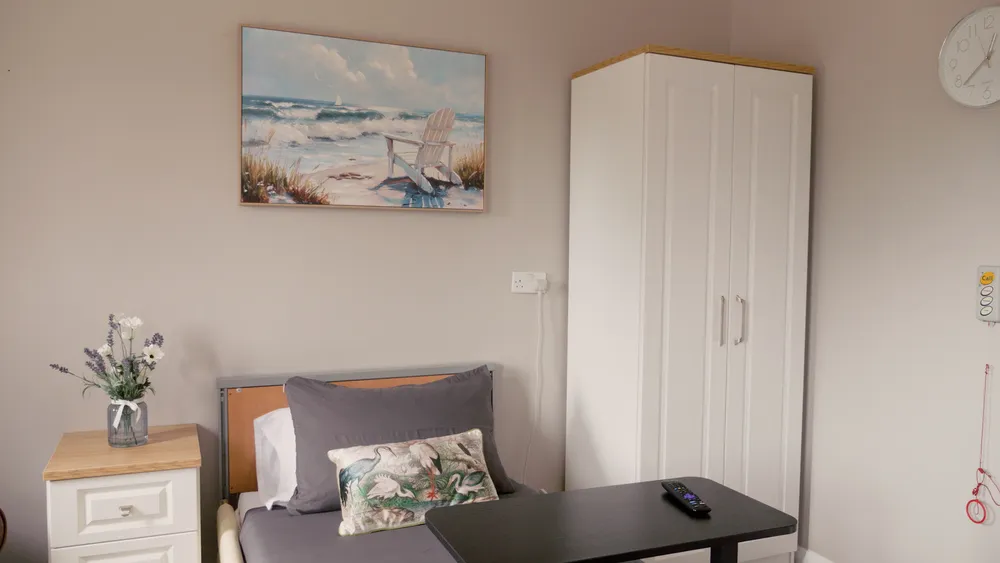
When someone you love is approaching the end of their life, you want them to be comfortable, pain-free, and surrounded by kindness. Our palliative care provides exactly that - expert support focused on quality of life, delivered with compassion in peaceful, homely surroundings.

Palliative Care
What is Palliative care?
Palliative care is specialist support for people living with a life-limiting illness. The focus is on providing comfort, managing symptoms, and making sure your loved one can live as well as possible for whatever time remains.
Palliative care can support people for months, helping them stay comfortable and maintain quality of life alongside other treatments.


20+
Years of Trusted Care

Palliative Care
Our approach to end-of-life care
We believe everyone deserves to spend their final weeks, days, and hours in comfort and dignity, surrounded by people who care.
Pain and symptom management - Working closely with GPs and specialist nurses to keep your loved one as comfortable as possible. Pain relief, nausea control, breathlessness support, whatever's needed.
Emotional and spiritual support - End of life brings difficult feelings: fear, sadness, reflection. Our staff provide a listening ear, quiet companionship, and support with spiritual or religious needs if wanted.
Preserving dignity - Personal care delivered gently and respectfully. We never rush. We maintain privacy, choice, and dignity right to the end.
Family support - This is an incredibly difficult time for you too. We're here to answer questions, prepare you for what's ahead, and provide comfort when you need it.
Creating peaceful moments - Familiar music, favourite foods if they can manage them, quiet time together. We help create the small moments of peace and connection that mean everything.
Care homes
Find the right home for your loved one.






Palliative Care
Supporting families through this time
Watching someone you love decline is heartbreaking. You might feel helpless, exhausted, or overwhelmed. You might not know what to expect or what to do.
We're here to guide you through it:
Open visiting - Come and go as you please, day or night. Bring children or grandchildren if that feels right.
Honest conversations - We'll talk openly about what's happening and what might come next. No euphemisms, no false hope, but always with kindness.
Practical support - Help with funeral planning, registering the death, accessing bereavement support. We'll guide you through the practicalities when you're too overwhelmed to think straight.
Space to grieve - Whether that's a quiet room to sit alone, or staff who'll bring you tea and let you talk, we understand everyone grieves differently.


230+
Experienced Staff


Palliative Care
What palliative care includes
24-hour care and monitoring - Someone is always nearby, watching for signs of discomfort or distress, responding immediately.
Medication management - Pain relief and symptom control administered as needed, day and night. Adjusted quickly if something isn't working.
Personal care - Gentle support with washing, changing, turning, and positioning. Keeping your loved one clean, comfortable, and dignified.
Nutritional support - Small meals, favourite treats, sips of water. We encourage eating and drinking for comfort, not force it when appetite fades.
End-of-life care planning - Discussions about preferences, wishes, and what matters most. Where possible, we help honour these choices.
Bereavement support - Our care doesn't end when your loved one passes. We're here to support you through the immediate aftermath and beyond.
TESTIMONIALS
What people say about us...
Palliative Care
Working with healthcare professionals
We work closely with your loved one's GP, district nurses, and specialist palliative care teams. If they're under a hospice at home service or Macmillan nurses, we coordinate care to make sure everyone's working together.
We're experienced in recognising changes and knowing when to call for additional support. You can trust that medical needs will be met quickly and appropriately.

The final days and after death
When someone is in their final days, their needs change. They might sleep more, eat and drink less, and become less responsive. These are natural parts of dying, not things to be frightened of. Our staff are experienced in end-of-life care. They'll help keep your loved one comfortable, watch for signs of pain or distress, and support you as you sit with them. We'll let you know if we think time is becoming short, so you can be there if you want to be. And if you're not there at the moment of death, we'll treat your loved one with the same care and respect we would if you were.
When your loved one dies, we give you as much time as you need to say goodbye. There's no rush. Sit with them, hold their hand, take your time. We'll help you contact a funeral director, register the death, and navigate the immediate practicalities. Our staff can also help notify other residents if your loved one had friends here, so they can grieve too. In the days that follow, you're welcome to visit staff, talk, or just sit somewhere familiar. Grief doesn't end when someone dies, and neither does our support.
Palliative Care
How much does palliative care cost?
Costs are similar to residential care, though additional support might be needed as your loved one's condition progresses.
Some people are eligible for NHS Continuing Healthcare funding, which can cover the full cost of care. We'll help you apply and navigate the process.
When you call, we'll discuss costs openly and help you understand what funding might be available. Money is the last thing you should be worrying about right now.
Palliative Care
Let us help
If your loved one is approaching the end of their life and you're not sure you can manage at home anymore, or if they're currently in hospital and you want somewhere more peaceful, please call us.
We'll talk through what's happening, what your loved one needs, and how we can help. If you'd like to visit first, we'll arrange that. If it's urgent, we'll do everything we can to accommodate quickly.
Call us on 03300 272121 any time, day or night.

news & articles
What's happening in our homes