
Dementia Care
Specialist support from teams who understand
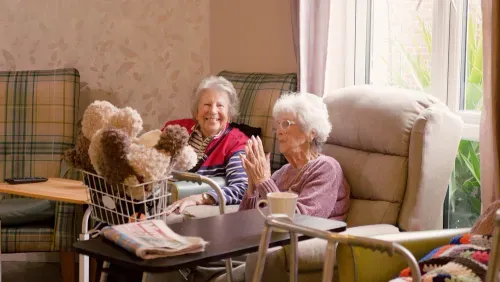
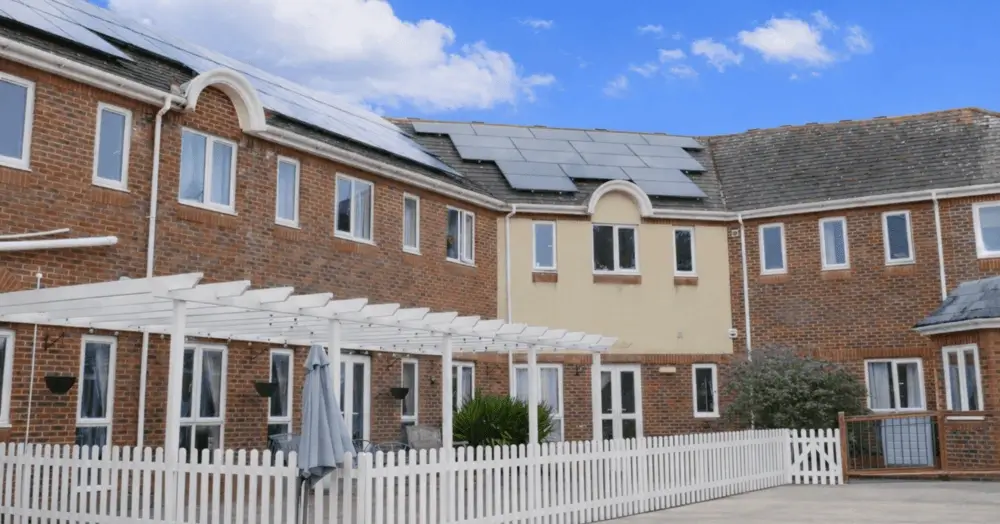
Our dementia care homes provide specialist support in safe, calm environments where your loved one can feel comfortable and you can have peace of mind.

Dementia Care
Our approach to dementia care
Dementia affects everyone differently. Some people become anxious or agitated, others withdrawn. Memory fades at different rates, and abilities change from day to day. That's why our care is never one-size-fits-all.
We focus on:
Familiarity and routine - Predictable daily rhythms help reduce confusion and anxiety. Regular mealtimes, familiar faces, consistent routines.
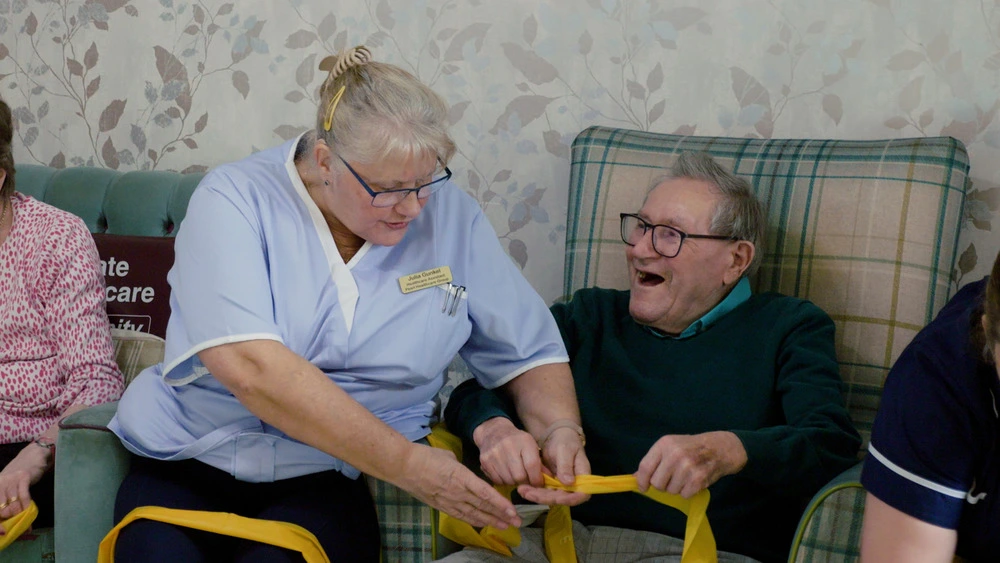
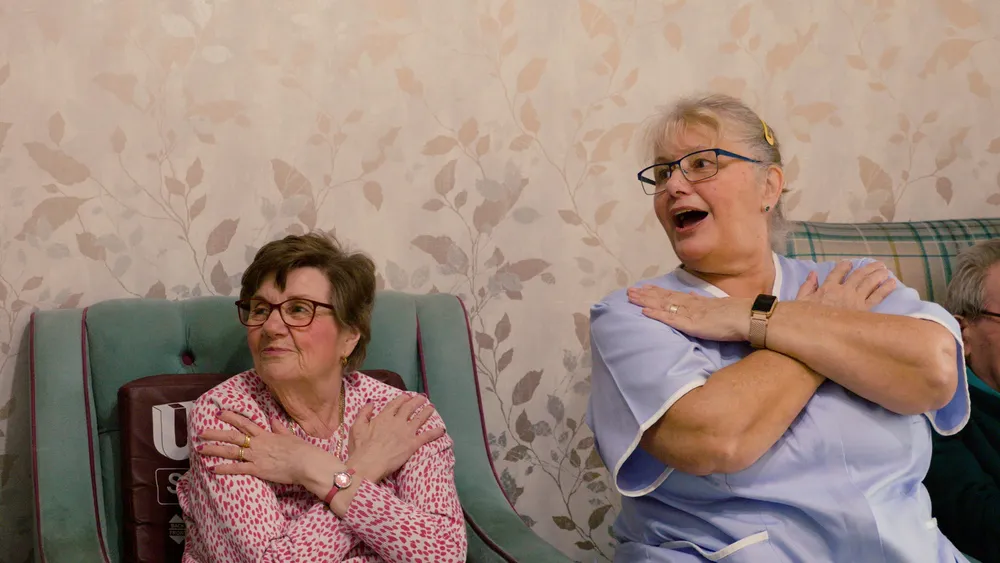
Meaningful activities - We don't just keep people busy. We create moments of connection: music they remember, crafts they enjoy, reminiscence sessions that bring comfort.
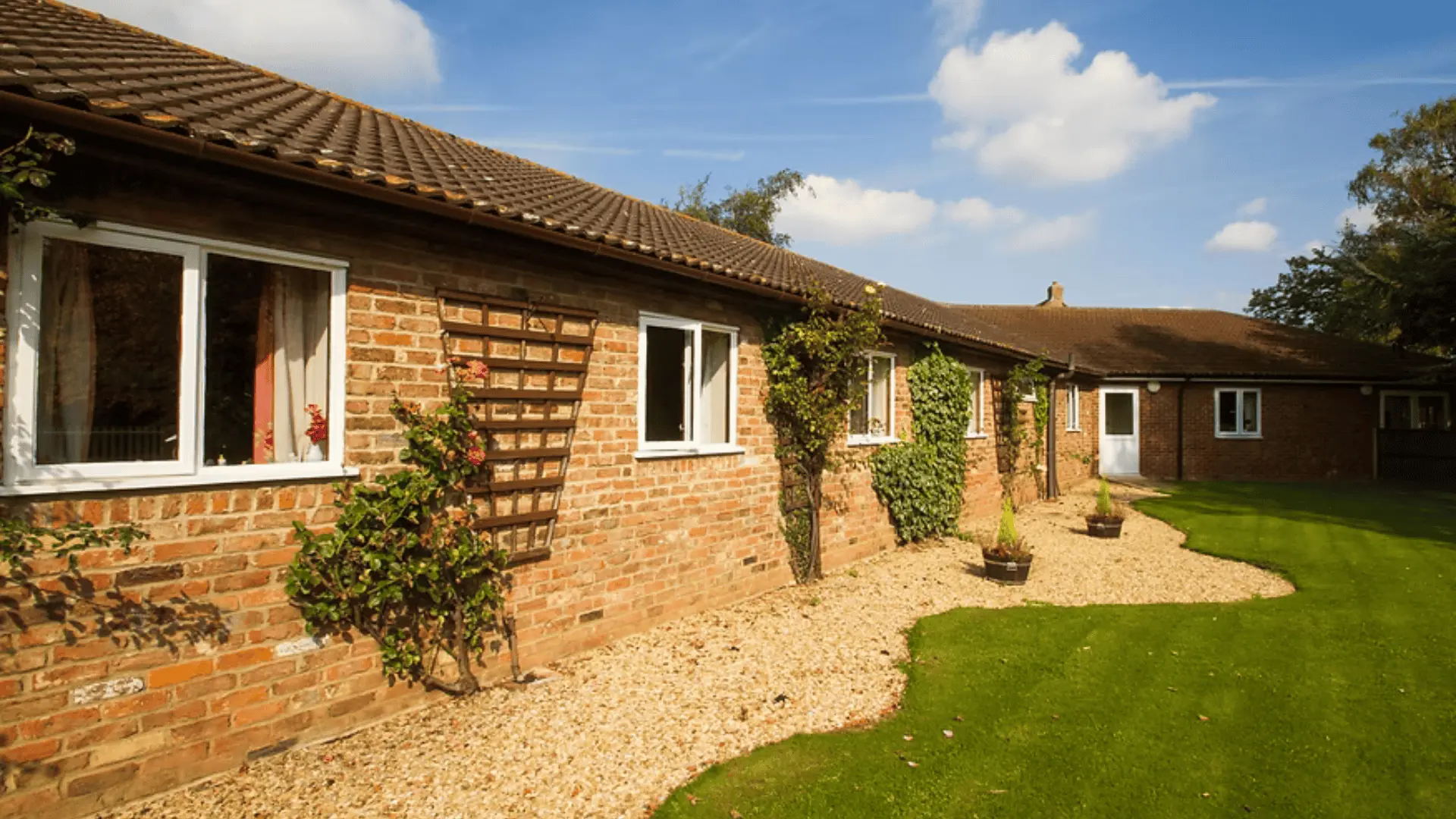
A calm environment - Quiet spaces, clear signage, secure gardens where people can wander safely. We design our homes to reduce distress.
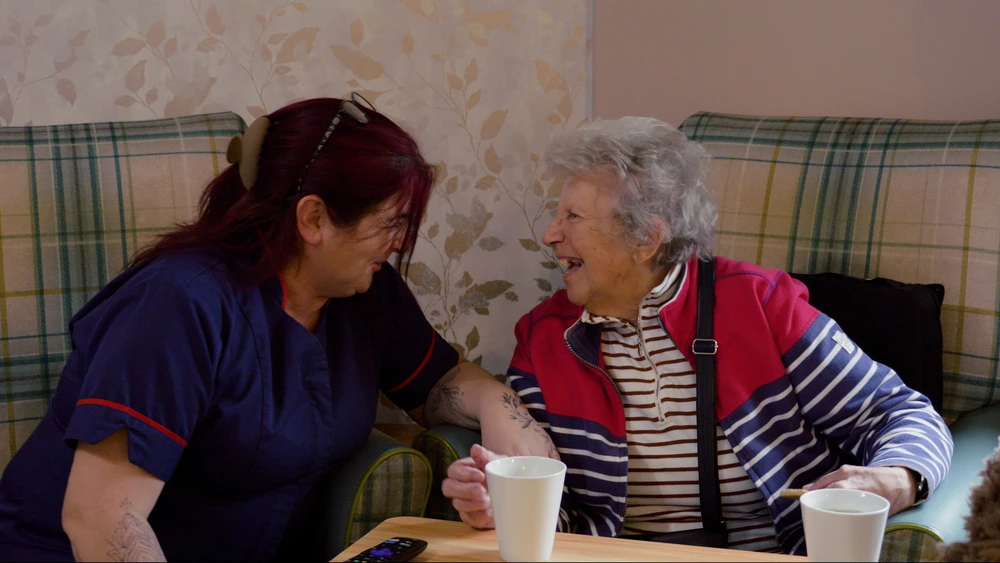
Dignity and respect - We see the person, not the disease. Their life story matters. Their preferences matter. Their feelings matter.
Supporting families - You're going through this too. We're here to listen, to reassure, and to help you navigate what's ahead.

20+
Years of Trusted Care
Dementia Care
What dementia care includes
Personal care tailored to the individual - Some people need full support with washing and dressing. Others just need gentle prompts. We adapt to where your loved one is now, and adjust as things change.
Medication management - Prescribed medicines administered safely and on time, with careful monitoring for side effects or changes.
Nutritious meals - Eating can become difficult with dementia. We support people at mealtimes, offer foods they recognise and enjoy, and make sure everyone stays well-nourished and hydrated.
Specialised activities - Memory boxes, music therapy, sensory activities, gentle exercise. Things that bring joy and stimulation without causing frustration.
Safe, secure environment - Monitored doors and gardens mean people can move around freely without risk. We balance safety with independence.
24-hour specialist support - Our teams are trained in dementia care. They understand behaviours, know how to de-escalate distress, and respond with patience and compassion.
Care homes
Find the right home for your loved one.



Dementia Care
Understanding behaviours
Dementia often causes behaviours that are difficult to manage: aggression, wandering, repetitive questions, night-time waking. These aren't deliberate. They're part of expressing unmet needs: fear, pain, confusion, boredom.
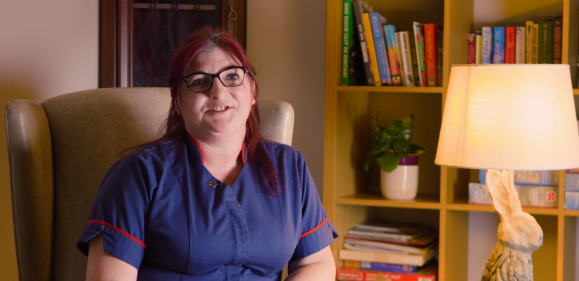
Our staff are trained to look beyond the behaviour and understand what's causing it. Someone wandering might be looking for something familiar. Someone agitated might be in pain but can't express it. We respond with empathy, not frustration.
We work closely with families to understand triggers and find solutions. You know your loved one best, and your insights help us provide better care.

230+
Experienced Staff


Dementia Care
Making the transition easier
Moving into a care home is hard for anyone. With dementia, it can be especially distressing. We do everything we can to make it easier:
Pre-admission visits - Come and see the home, meet the team, stay for lunch. Familiarity helps.
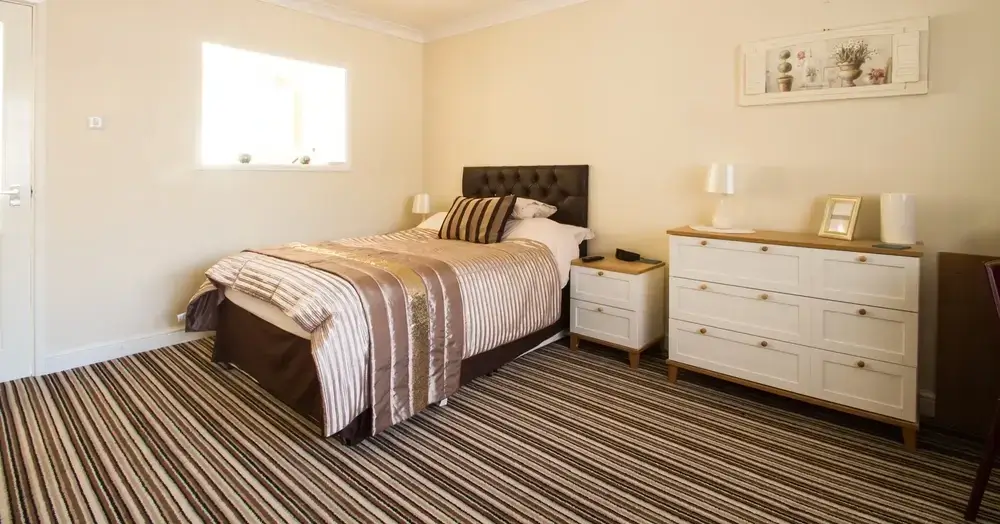
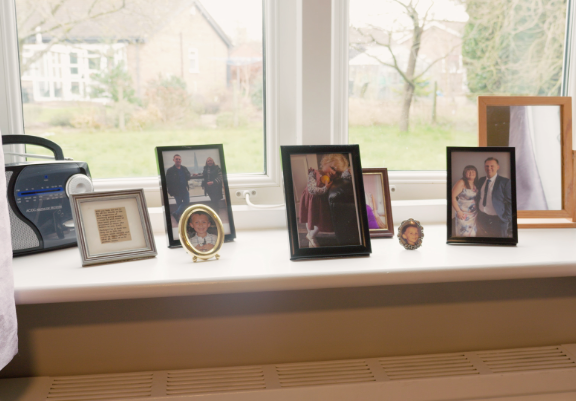
Bring personal items - Photos, ornaments, a favourite chair. Familiar objects provide comfort and help the room feel like theirs.
Flexible settling-in period - Some people adjust quickly. Others need more time. We're patient and go at your loved one's pace.
Family involvement - Visit whenever you like. Join mealtimes, activities, or just sit together. Your presence helps enormously during the transition.
TESTIMONIALS
What people say about us...
Dementia Care
Supporting you as a family
Watching dementia take hold of someone you love is devastating. You might feel grief, guilt, relief, anger, often all at once. That's normal.
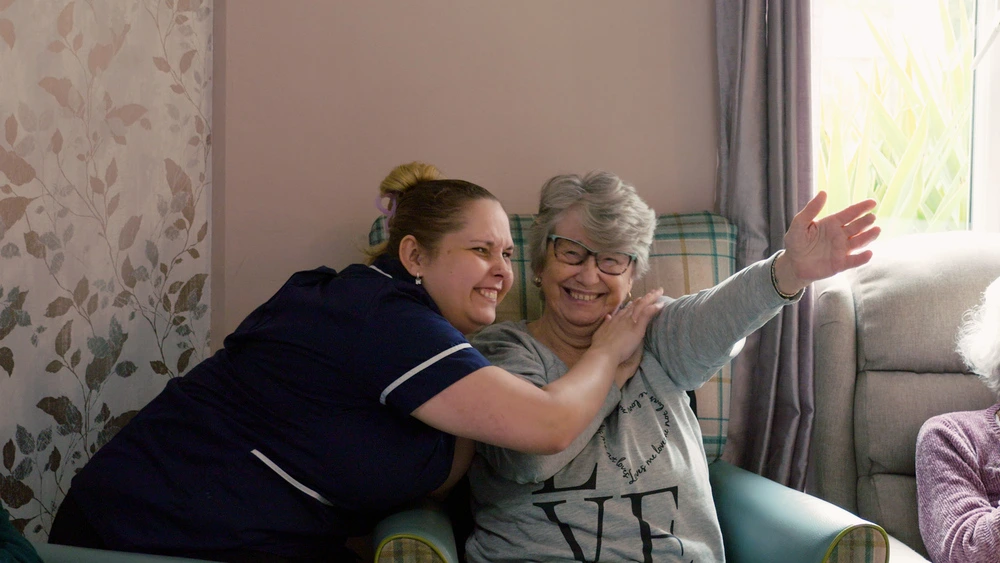
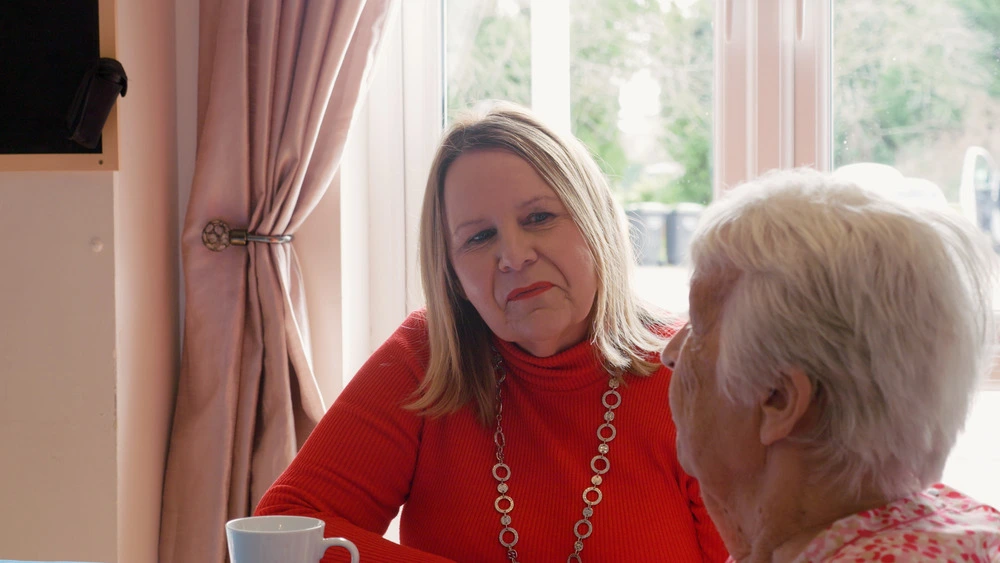
Our staff are here to support you too, not just your loved one. We'll listen, answer questions, and help you understand what's happening. We can signify local support groups, and we'll always keep you updated on how things are going.
You're not handing over responsibility, you're sharing it with people who can help carry the weight.
Different stages of dementia
Early-stage dementia - People might still be quite independent but need some support and a safe environment. Our care focuses on maintaining skills and confidence for as long as possible.
Mid-stage dementia - More support is needed with daily tasks. Confusion and anxiety may increase. We provide structure, reassurance, and activities suited to current abilities.
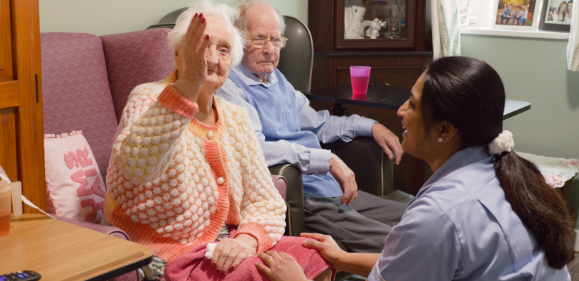
Advanced dementia - Full personal care is needed. Communication becomes difficult. We focus on comfort, dignity, and small moments of connection: a hand held, a familiar song, a gentle touch.
Wherever your loved one is on this journey, our teams are experienced in providing the right level of care.
Dementia Care
How much does dementia care cost?
Costs depend on the level of care needed and which home you choose. Dementia care typically costs more than standard residential care because of the specialist support required.
Some people are eligible for NHS Continuing Healthcare funding if their needs are primarily health-related. Others receive local authority support, and some self-fund. We'll talk you through the options and help you understand what might be available.
When you call, we'll give you clear, honest information about costs. No jargon, no hidden fees.
Dementia Care
The important questions
What is dementia care?

Who is dementia care for?
When is dementia care needed?
What funding and support is available for dementia care
news & articles
What's happening in our homes