

News & Articles
The Benefits of Respite Care

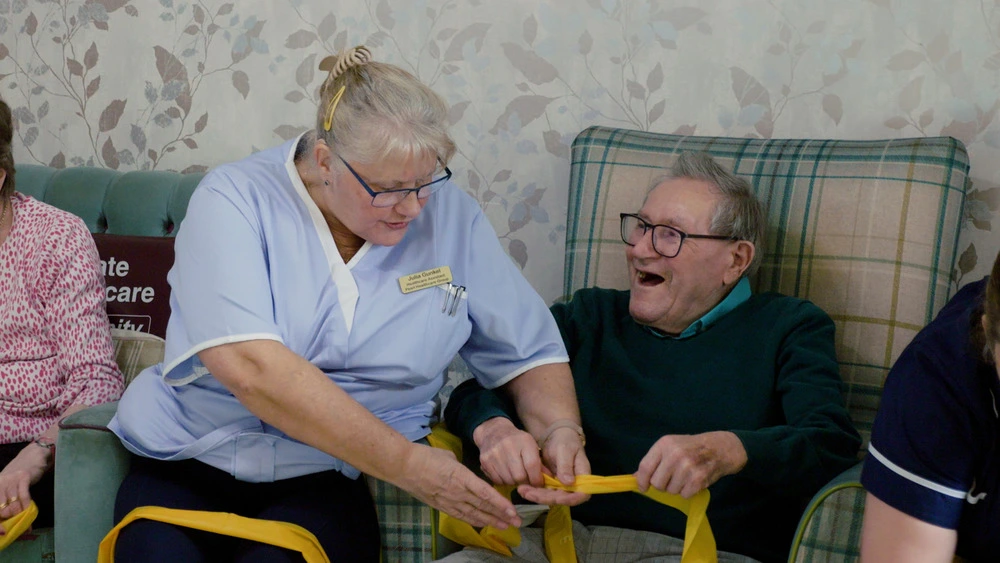
Respite care is not a treat, and it is not giving up. It is what stops a caring arrangement from breaking down before it has to.
Most families we speak to at Kimberley Care Village come to respite months later than they needed it, usually because they assumed a short break meant admitting they could not cope. The evidence says otherwise. Carers who take regular breaks tend to provide better care for longer, and the people they care for benefit too.
What happens when carers don't get a break
Carers UK's State of Caring 2025 report, based on responses from over 10,500 unpaid carers across the UK, found that 74% feel stressed or anxious because of their caring role, and 42% say their physical health has worsened as a direct result, with one in five reporting an actual injury caused by caring. More than half are providing more hours of care than they were a year ago, with little sign of that easing. Read the full State of Caring 2025 report.
These are not abstract statistics. They describe carers who are not getting the breaks that would let them recover before the next demand arrives, and it is exactly this pattern, care intensifying with no real let-up, that respite is designed to interrupt.
What a break actually changes
For the carer, a planned respite stay is not just rest, it is the difference between a caring role that is sustainable and one that is heading towards crisis. Sleep improves. Appointments that have been put off for months finally happen. Carers tell us they come back more patient and less reactive, and more able to make good decisions about their loved one's ongoing care, because they are no longer making every decision from a place of exhaustion.
For the person receiving care, the benefits are just as real, even though families sometimes worry a stay will unsettle them. A short stay brings new faces, a change of routine, and structured activity that home care often cannot replicate. For someone living with dementia in particular, a well-run respite stay with consistent staff and a familiar daily rhythm can reduce agitation rather than increase it, because the environment is designed around their needs rather than fitted around everything else going on at home.
"The families who use respite well are the ones who stop treating it as a last resort. We regularly see carers who booked a first stay reluctantly, almost apologetically, and came back afterwards asking to make it a regular arrangement, because they could finally see the difference it made to how they were coping."
Registered Manager, Kimberley Care Village
Recognising when you need a break
There is no single moment that means it is time. It is more often a pattern, and these are the signs our team sees most often before a family reaches out:
- You cannot remember the last time you had a full day to yourself
- You have cancelled your own medical appointments more than once because of caring responsibilities
- Small tasks feel disproportionately difficult, and patience is running out faster than it used to
- You are caring at night as well as during the day, and sleep has become unreliable
- Friends or family have mentioned that you seem exhausted, and you have brushed it off
If two or three of these sound familiar, it is worth requesting a carer's assessment now rather than waiting for a crisis to force the decision.
What respite looks like at Kimberley Care Village
Respite stays at Kimberley are treated with the same standard of care as a permanent placement, not as an afterthought. Before a stay begins, we carry out a proper pre-admission assessment so the team already understands medication, routines, and preferences on day one rather than working them out as they go. Most respite stays run from a few days up to a few weeks, and families are welcome to visit and stay involved in care planning throughout, just as they would with a permanent resident.
"A lot of the anxiety families carry into a first respite stay disappears once they see how quickly their relative settles. We plan the activities programme and the seating at mealtimes around getting that first stay right, because a good first experience is what makes someone willing to come back."
Activities Lead, Kimberley Care Village
Many of our respite guests return for planned stays every few months, and families often say this works better than waiting until they are at breaking point. Regular, planned respite tends to suit both the carer and the person receiving care better than emergency respite booked in a crisis, because everyone, including the resident, already knows what to expect.
Taking the next step
If you recognise yourself in any of this, the next step is simple. Find out more about respite care at Kimberley Care Village, read our guide to paying for respite care if funding is what's holding you back, or get in touch with our team to talk through whether a break might help. You do not need to wait until you are at your limit to ask.