

News & Articles
How to Choose a Dementia Care Home

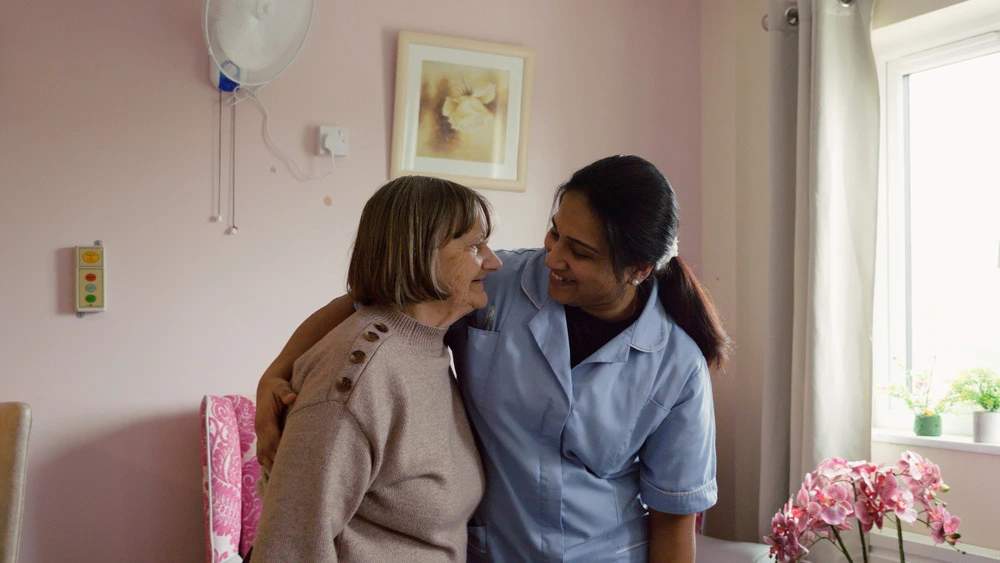
Choosing a dementia care home for someone you love is one of the hardest decisions a family will ever make. There is no perfect checklist that removes the emotional weight of it, but there are concrete things you can look for that genuinely separate good dementia care from the rest.
At Pearl Healthcare, we have supported hundreds of families through this decision across our homes in Lincolnshire and the Isle of Man. This guide is built from what we see families get right, and where they sometimes get caught out, when choosing a home.
Start with the diagnosis and stage, not the postcode
It is tempting to start a search by location alone. We understand why. But the most important starting point is understanding exactly what kind of support the person needs right now, and what they are likely to need soon.
Early-stage dementia, mid-stage dementia, and advanced dementia all require different things from a home. A person who is still largely independent but needs reassurance and structure has very different requirements to someone who needs full personal care and specialist behavioural support. Be honest with yourself and with the homes you visit about where your loved one currently sits.
"We see the person, not the disease. Their life story matters. Their preferences matter. Their feelings matter." -- Pearl Healthcare
Visit more than once, and visit unannounced if you can
A scheduled tour shows you a home at its best. That is fine as a first step, but the homes that genuinely deserve consideration will not mind a second, more casual visit. Drop in at a different time of day. See what the home looks and feels like on an ordinary Tuesday afternoon, not just during a polished showcase visit.
What to pay attention to during a visit
- Do staff know residents by name and seem genuinely warm towards them, not just professionally polite?
- Does the home smell clean without an overpowering smell of disinfectant masking something else?
- Are residents engaged in something, or simply sitting unattended in front of a television?
- Is there a calm atmosphere, or does it feel chaotic and understaffed?
- How do staff respond if a resident becomes distressed or confused while you are there?
Check the CQC rating, but read beyond the headline
Every care home in England is rated by the Care Quality Commission, and homes in the Isle of Man are regulated separately. The headline rating matters, but the detail in the inspection report matters more. Look specifically at what inspectors said about safety, staffing levels, and how well the home understood individual residents' needs.
If a rating is older than two or three years, ask the home directly about any changes since. Management can change, and so can quality. A current conversation with staff will tell you more than an old report.
Look at staff training and turnover, specifically for dementia
General care training is not the same as dementia-specific training.
Questions worth asking directly
- What dementia-specific training do staff receive, and how often is it refreshed?
- How long have key staff members, particularly the home manager, been in post?
- What is the staff-to-resident ratio, particularly at night?
- How are new staff inducted into understanding residents' individual histories and preferences?
High staff turnover is one of the clearest warning signs in dementia care. Consistency of faces matters enormously to someone living with memory loss. A home with a stable, long-serving team is usually a home where care is genuinely good, not just well presented.
Assess the physical environment for dementia-friendly design
Good dementia care environments are designed with specific features in mind.
What good design looks like
- Clear signage and visual cues to help residents navigate independently where possible
- Secure outdoor space where residents can walk freely without risk
- Quiet rooms away from the main communal areas for residents who become overstimulated
- Rooms that residents can personalise with familiar items and photographs
- Good natural light, which has a meaningful effect on mood and sleep patterns in dementia
At our homes, including Kimberley Care Village, secure gardens and clear, calm layouts are built into the design specifically to support residents living with dementia, rather than added as an afterthought.
Ask about activities and meaningful engagement
Activities in good dementia care are not generic. They are personalised. A home that genuinely understands dementia care will ask about your loved one's history, career, hobbies, and music before suggesting activities, not after.
Ask what a typical week of activities looks like, and ask how the home adapts activities as dementia progresses. Reminiscence therapy, music from a resident's era, and gentle sensory activities all matter more than a generic activity board on the wall.
Understand how the home communicates with families
You are not handing over care entirely. You are sharing it.
What to ask about communication
- How often will we be updated, and how (phone calls, in-person, written updates)?
- Who do we call if we are worried about something, day or night?
- How are care plans reviewed, and are we involved in those reviews?
- How does the home handle a significant change in behaviour or health?
A home that is comfortable answering these questions openly, without defensiveness, is usually a home worth trusting.
Ask about what happens as needs increase
Dementia is a progressive condition. The level of support your loved one needs today is not the level they will need in two years.
Questions about long-term continuity
- Can residents stay in the same home as their needs increase, or would they need to move elsewhere?
- Is there a dedicated unit for residents with more advanced dementia?
- How is end-of-life and palliative care handled if it becomes necessary?
Avoiding the need to move someone again, at a time when consistency matters most, is one of the most valuable things a home can offer a family.
Read reviews, but read them critically
Online reviews on sites such as carehome.co.uk can be genuinely useful, particularly when they describe specific, lived experiences rather than vague praise. Look for patterns across multiple reviews rather than focusing on a single glowing or critical one. Pay attention to how the home's management responds to reviews, especially less positive ones. A thoughtful, non-defensive response says a lot.
Trust your instincts, but verify them
You will likely get a feeling when you walk into the right home. That instinct is worth taking seriously, but back it up with the practical checks above. The right home is usually the one where the feeling and the evidence line up.
Visiting a Pearl Healthcare home
If you are at the stage of comparing dementia care homes, we would encourage you to visit any of our care homes across Lincolnshire and the Isle of Man with no obligation. Meet the team, see the environment, and ask every one of the questions above. We would rather you make the right decision for your family than a quick one.
Get in touch with the Pearl Healthcare team to arrange a visit.