

News & Articles
How Much Does Dementia Care Cost in the UK?

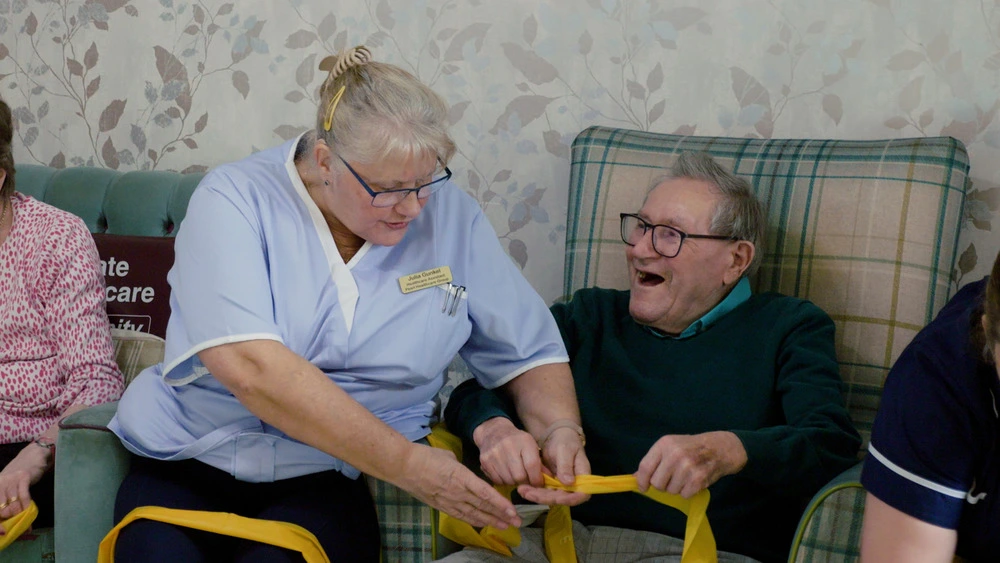
Cost is one of the first questions families ask when dementia care becomes a real possibility, and it is also one of the hardest to get a straight answer to. Figures vary widely depending on which source you read, and the headline numbers rarely tell the whole story. This guide sets out the current UK averages, what drives the cost, and what funding might be available.
The UK average cost of dementia care
Based on the most recent national data, the average self-funded cost of residential dementia care in the UK sits at approximately £1,343 to £1,375 per week, depending on the source. That works out to roughly £5,820 to £5,958 a month, or around £70,000 to £71,500 a year.
For nursing dementia care, where residents have more complex health needs requiring qualified nursing staff, the average rises to approximately £1,564 to £1,585 per week, or around £81,000 a year.
Dementia respite care, used for short-term stays, typically costs slightly more than permanent residential dementia care, averaging around £1,430 to £1,451 per week.
"Dementia care is on average 15% more expensive to deliver than standard social care." - Alzheimer's Society
These are national averages. Your actual cost will depend heavily on location, the specific home, and the level of care required.
Why is dementia care more expensive than standard residential care?
Dementia care consistently costs more than standard residential care, typically by 10 to 20 percent, for several genuine reasons.
What drives the additional cost
- Higher staff-to-resident ratios. Supporting people with dementia safely, particularly at night, requires more staff than standard residential care.
- Specialist training. Staff need ongoing dementia-specific training that general care staff do not require.
- Building design. Secure gardens, dementia-friendly signage, and specially designed communal spaces cost more to build and maintain.
- Intensity of care. Dementia can involve unpredictable behaviour, communication difficulties, and physical needs that take longer to manage well.
This is not a markup for the sake of it. It reflects the genuine extra resource that good dementia care requires.
How does location affect dementia care costs?
Regional variation is significant. London and the South East sit well above the national average, with self-funded dementia care in London often exceeding £1,750 per week. The North of England, Wales, and parts of the Midlands tend to sit below the national average.
At Pearl Healthcare, our homes in Lincolnshire and the Isle of Man sit below the national average for dementia care. Based on current published figures, fees at Kimberley Care Village start from £1,100 per week, which includes residential and dementia care depending on individual need. This reflects both our regional location and our commitment to keeping care accessible without compromising on quality.
What determines the exact fee you will pay?
Several specific factors shape the final figure.
Stage of dementia
Early-stage dementia, where someone retains a good degree of independence, typically costs less than advanced-stage dementia requiring full personal care and specialist behavioural support.
Room type
A single en-suite room generally costs more than a standard or shared room, where shared rooms are available.
Specific needs
Conditions that often accompany dementia, including mobility issues, continence needs, or complex medication management, can add to the base fee.
Funding status
Self-funders typically pay more per week than local authority-funded residents, since councils negotiate lower contracted rates. This is one of the more difficult realities of the UK system, but it is the current reality families face.
Does dementia automatically qualify for free NHS care?
This is one of the most common misunderstandings. Dementia does not automatically qualify someone for free NHS care. NHS Continuing Healthcare (CHC) is assessed based on the complexity, intensity, and unpredictability of a person's overall health needs, not on the diagnosis itself.
Someone with advanced dementia involving significant behavioural challenges, swallowing difficulties, or complex medical needs alongside their dementia may well qualify for CHC, which would cover the full cost of their care. Someone with milder dementia symptoms is less likely to meet the threshold on dementia alone.
It is always worth requesting a CHC screening assessment if you believe your loved one's needs may justify it. Read more in our guide to NHS funding for care homes for the full process and how to challenge a refusal.
Who pays if NHS funding does not apply?
If CHC does not apply, the standard local authority means test determines what happens next.
In England, if the person's assets (including property, in most circumstances) total more than £23,250, they are expected to self-fund. Below this threshold, the local authority will fund some or all of the cost following a financial and care needs assessment. Scotland, Wales, and Northern Ireland have different thresholds, so it's worth checking the specific rules in your nation.
A property is disregarded from the means test for the first 12 weeks of a permanent stay, and indefinitely if a spouse, partner, or dependent relative continues to live there.
What does the dementia care fee actually include?
A weekly dementia care fee typically covers accommodation, all meals, personal care, medication management, laundry, activities, and 24-hour specialist support. It usually does not cover personal extras such as hairdressing, chiropody, or transport for outings, so it is worth asking directly what is and is not included before committing.
Will the cost increase as dementia progresses?
Often, yes. Dementia is a progressive condition, and as needs increase from early-stage to advanced-stage care, the level of support required tends to increase too. Some homes adjust fees as care needs change; others have tiered pricing built around defined levels of need from the outset.
It is worth asking directly how a home handles fee changes as dementia progresses, so you can plan financially with a realistic picture rather than being caught out later.
Getting a clear figure for your situation
National averages are a useful starting point, but they will not tell you what you will actually pay. The only way to get an accurate figure is to speak directly with homes you are considering and be specific about the level of care needed.
At Pearl Healthcare, we are always transparent about fees from the first phone call. We will walk you through exactly what is included, what funding routes might apply, and what the realistic cost looks like for your specific situation.
Contact the Pearl Healthcare team to discuss dementia care costs at any of our homes in Lincolnshire or the Isle of Man.